
Defending Fleet Assets with Intelligence
Oil Theft Prevention and Safety Solution
for Van and Construction Vehicle
▍Industry Dynamics & Requirements
Van undertakes the task of transferring and distributing all kinds of goods such as food, household appliances, industrial products and fresh food. However, its characteristics of "strong closure, high value of goods and complex docking scene" also make it a key target of theft crime. Van anti-theft lock is born to deal with the safety risks of goods in transit. Through the combination of physical protection and intelligent monitoring technology, the "first line of defense" for the safety of goods in trucks is built. Its birth background and application significance are deeply related to the safety needs and efficiency upgrades of the logistics industry.
▍System Platform Introduction
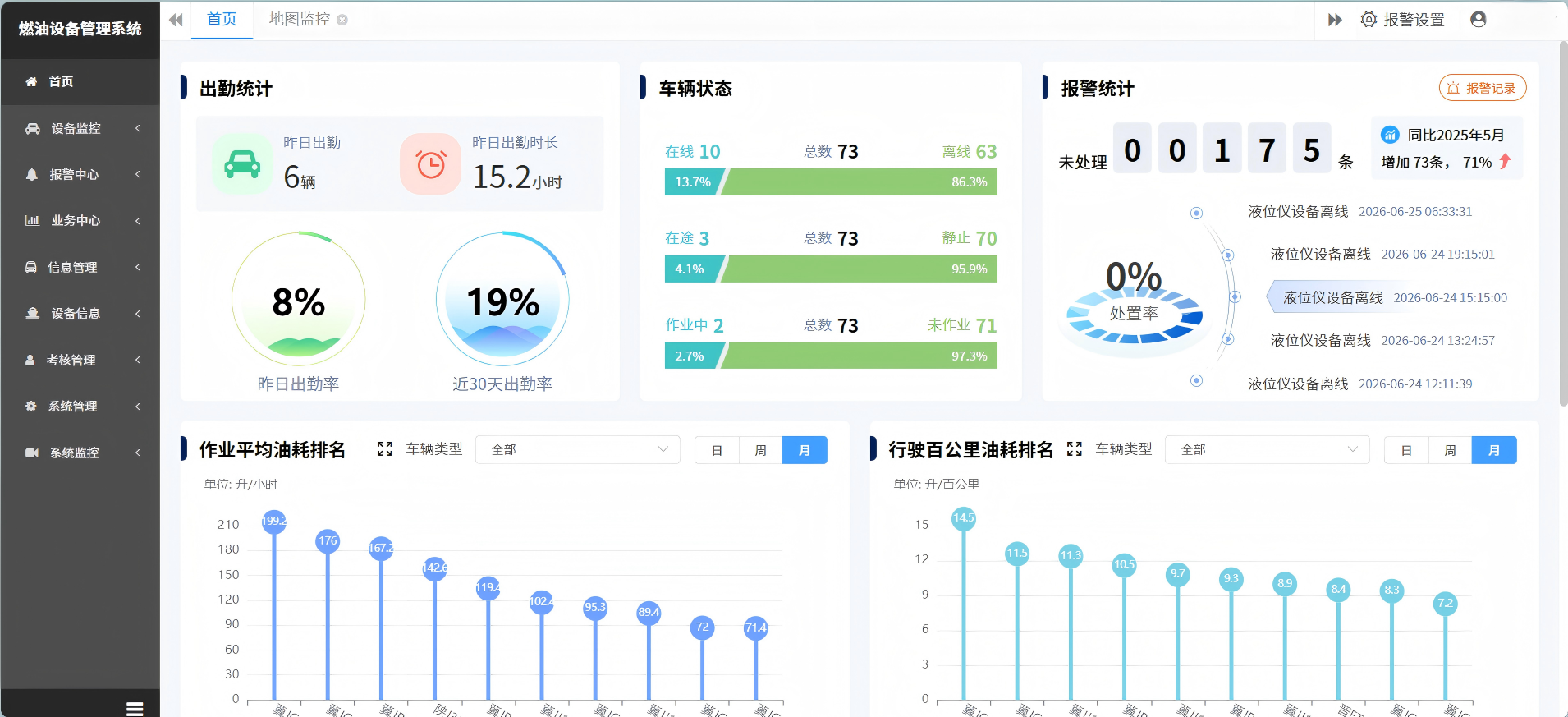
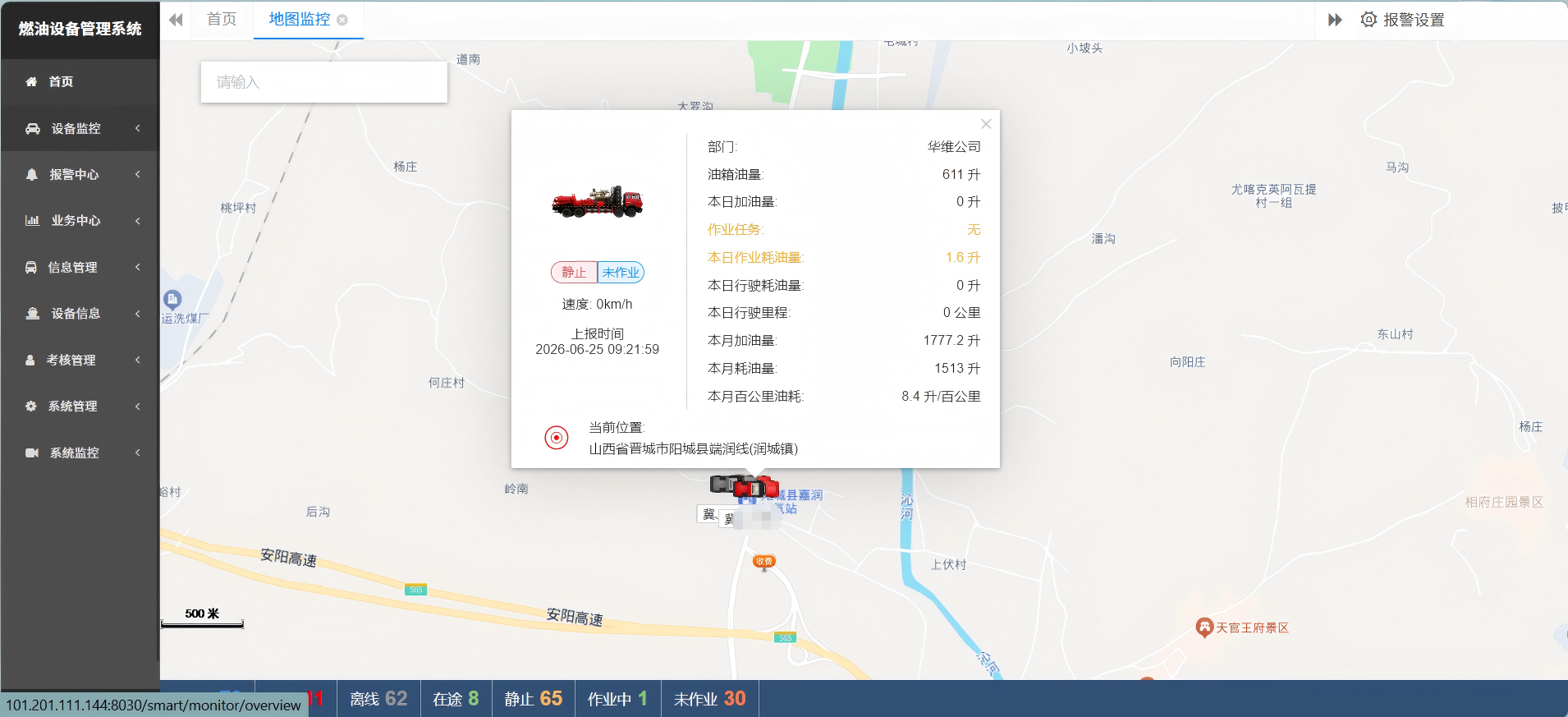
The entire system, centering on the core requirements of fuel safety management for fuel-powered equipment, has developed a fuel consumption safety management system. It integrates over 100 functions and supports parallel use with other HUGO business systems.
▍On-site Installation Photos
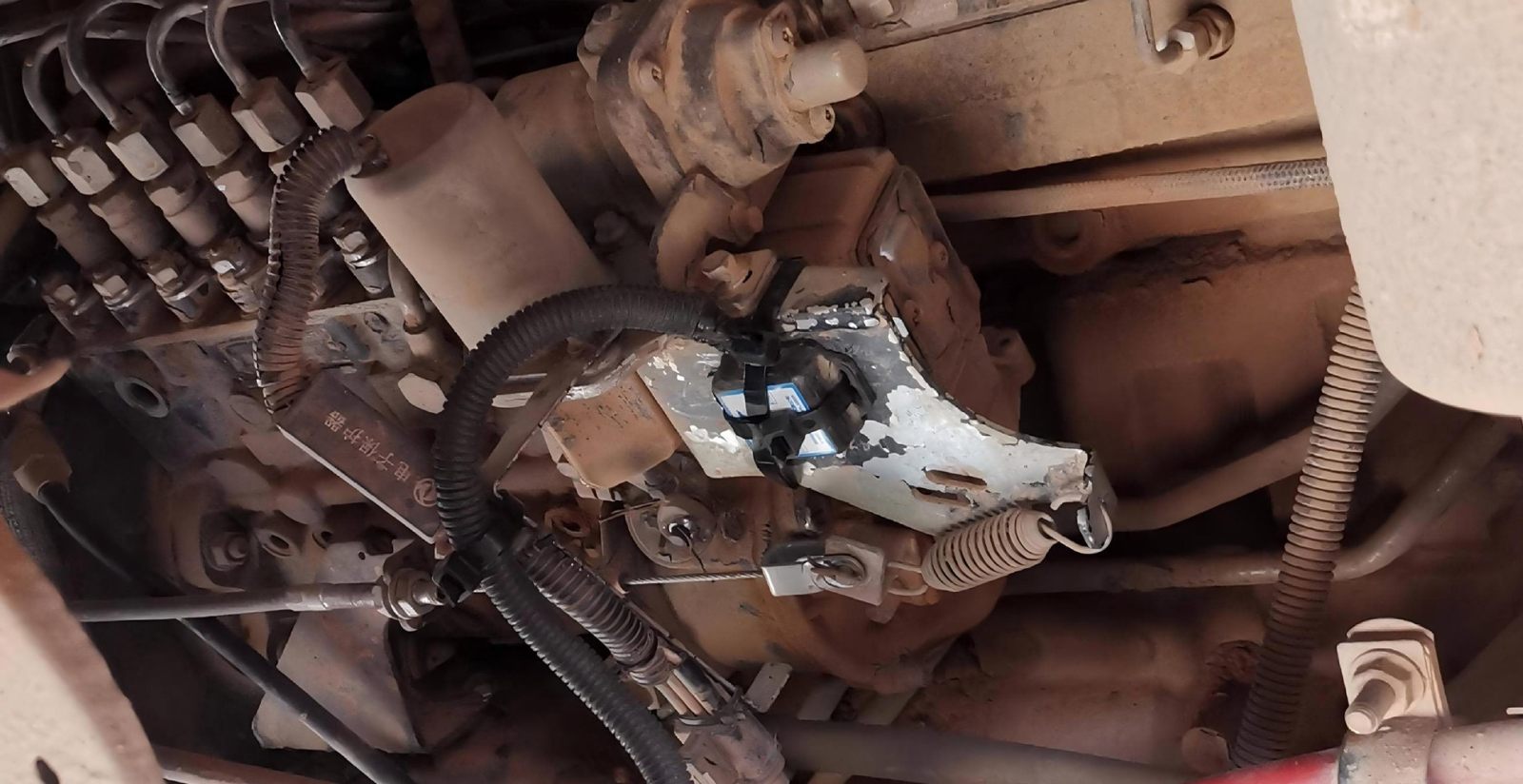
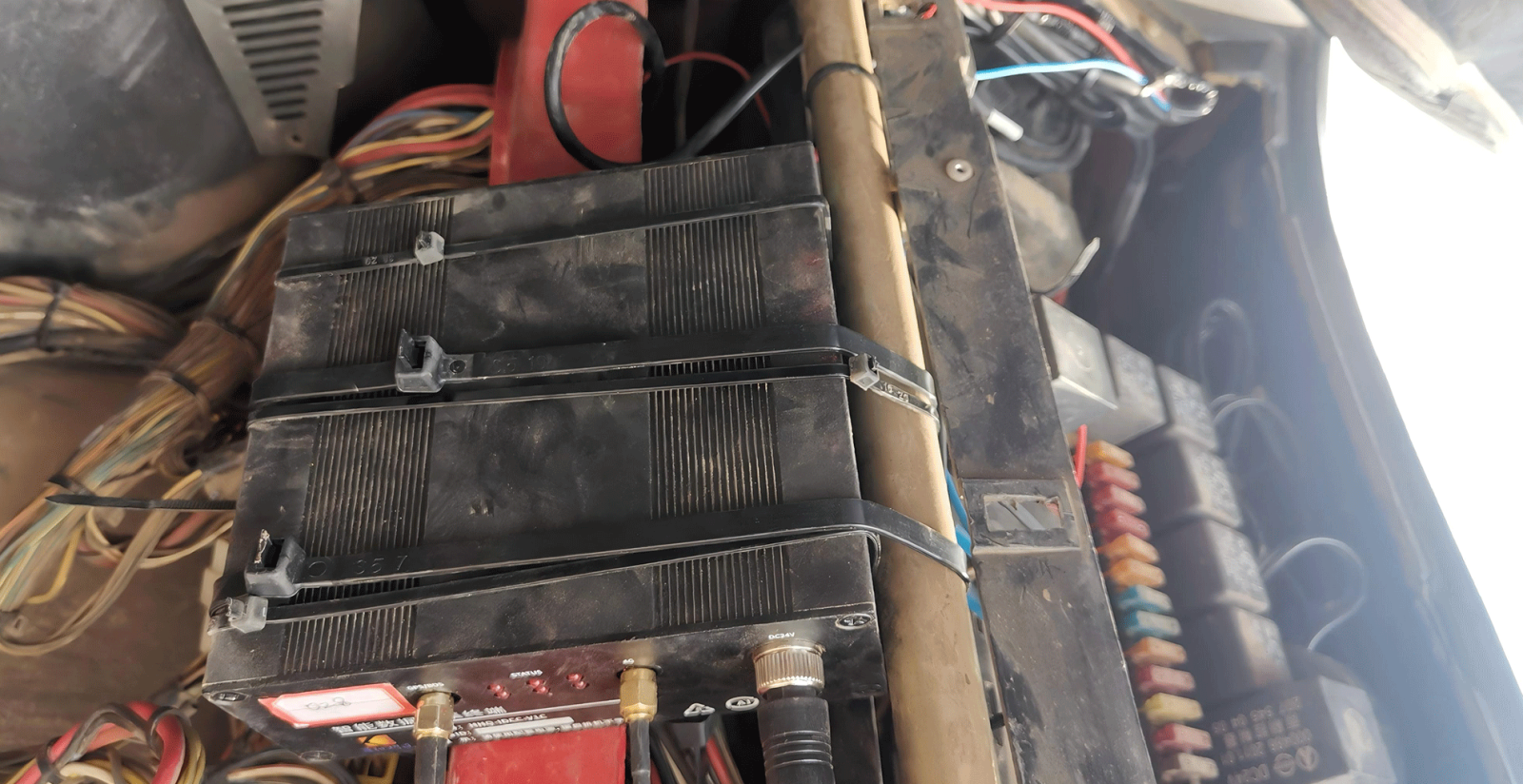
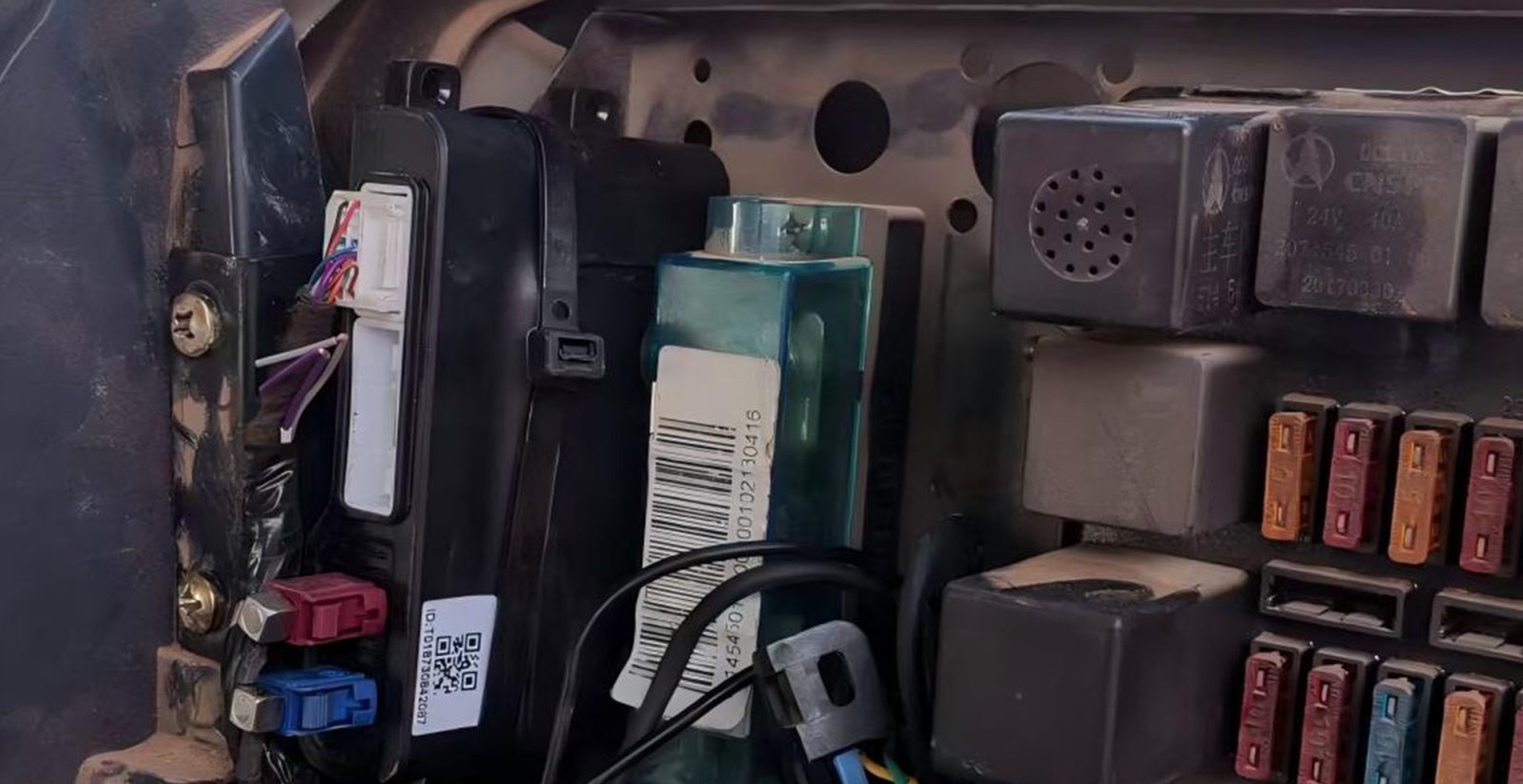
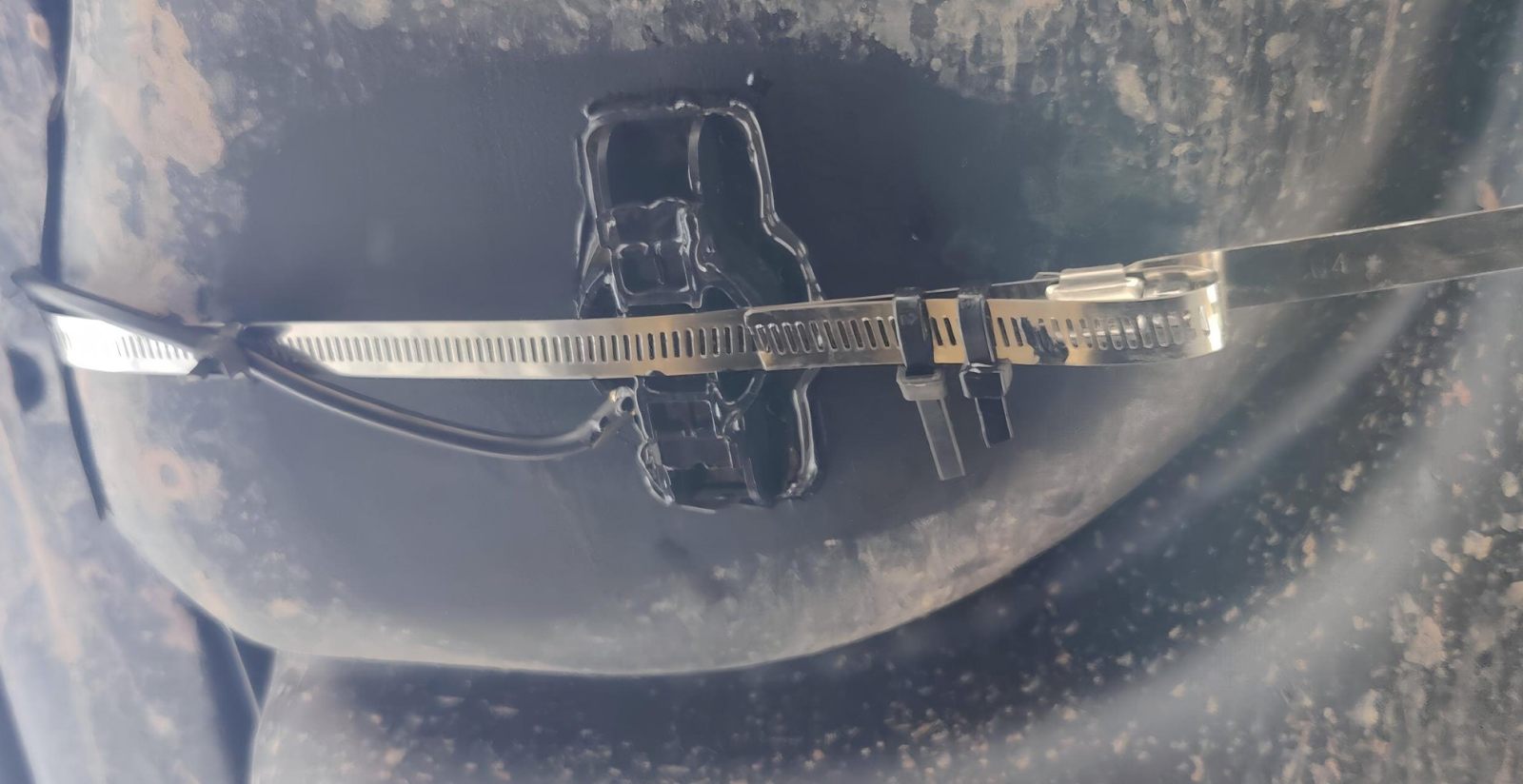
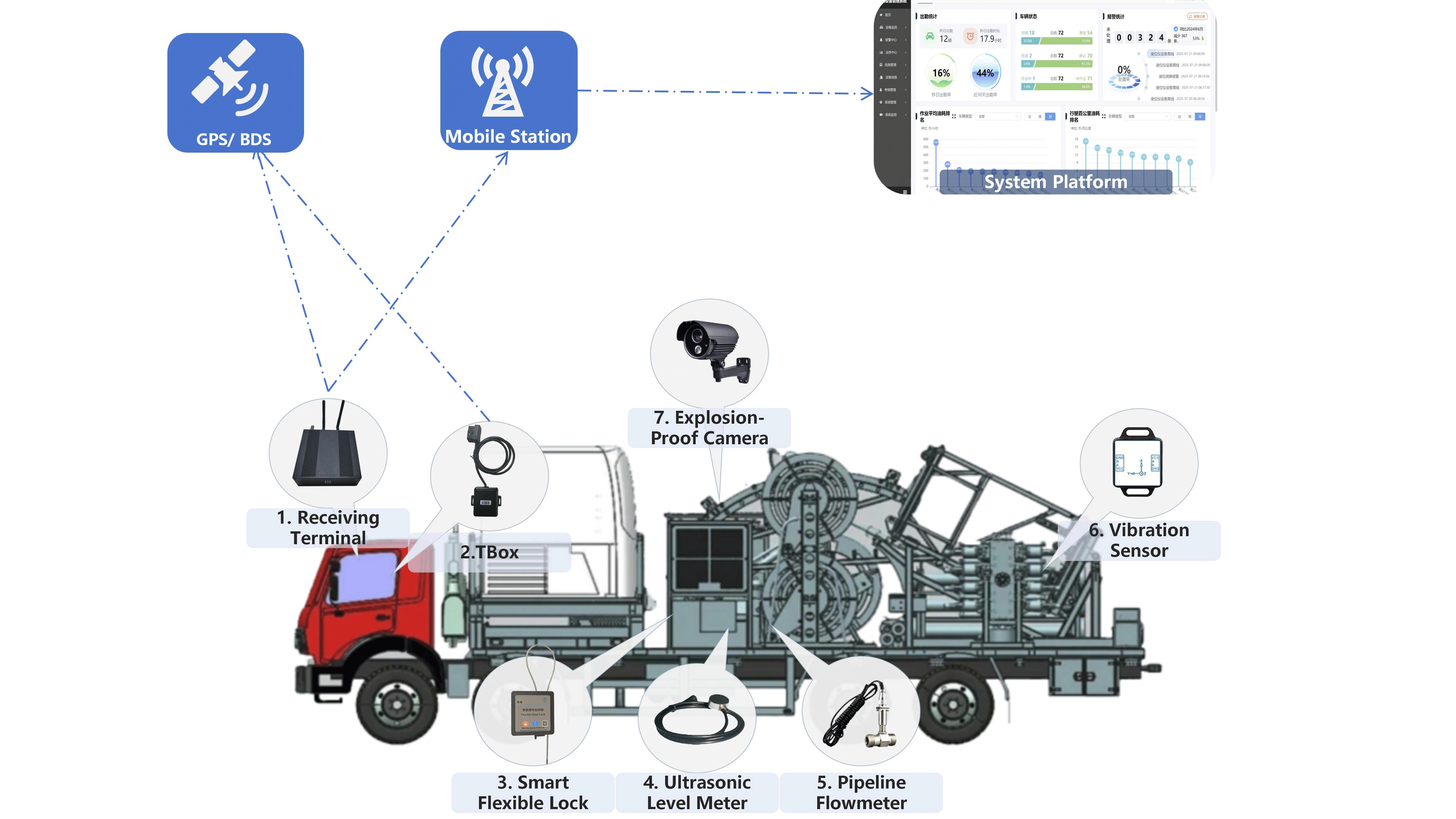
Receiving Terminal (Z20): Installed at the front of the vehicle and next to the generator, this device serves as the on-vehicle edge computing terminal and control hub of the system. It conducts real-time communication with ultrasonic liquid level meters, vehicle card recognition systems, vibration sensors, etc., via wired and wireless means, and performs data interaction with backend servers through wireless transmission networks.
TBox: Installed at the vehicle's OBD port, it can collect in real-time vehicle speed, fuel consumption, engine speed and other parameters, totaling about 30, and transmit them in real-time to the backend server.
Smart Flexible Lock (R1/R2): Installed at the oil port of the fuel tank, it enables remote control of the switch, realizes safe control of oil products, and can be used in coordination with intelligent terminals or independently.
Ultrasonic Level Meter: Installed below the fuel tank of a vehicle or generator, it uses ultrasonic technology to measure fuel levels and works in conjunction with an intelligent terminal.
Pipeline Flowmeter: Installed between the fuel tank and the engine, it can collect engine fuel consumption data in real-time and works in conjunction with intelligent terminals.
Vibration Sensor: Installed on generators or engines, it independently establishes vibration/fuel consumption curve models for the equipment and determines the fuel consumption of fuel-powered equipment through vibration frequency.
Video Surveillance Equipment: Installed around fuel-powered equipment, it monitors on-site conditions via video.
▍Related Products
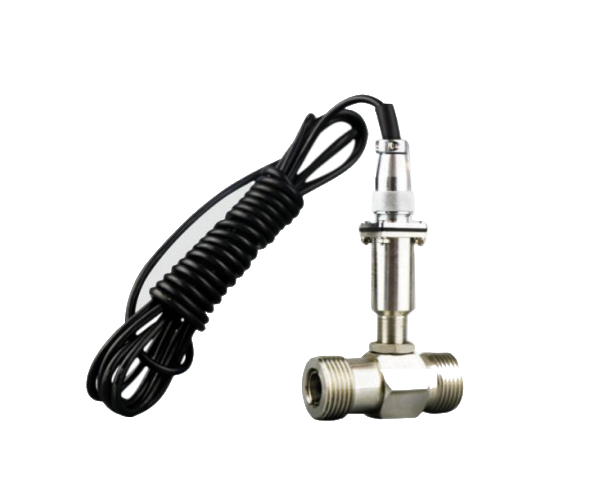
Pipeline Flowmeter
Installed on the pipeline between the fuel tank and the engine, it performs real-time monitoring of the engine's instantaneous fuel consumption and sends pulse signals, working in coordination with the receiving terminal (Z20) via wired connection
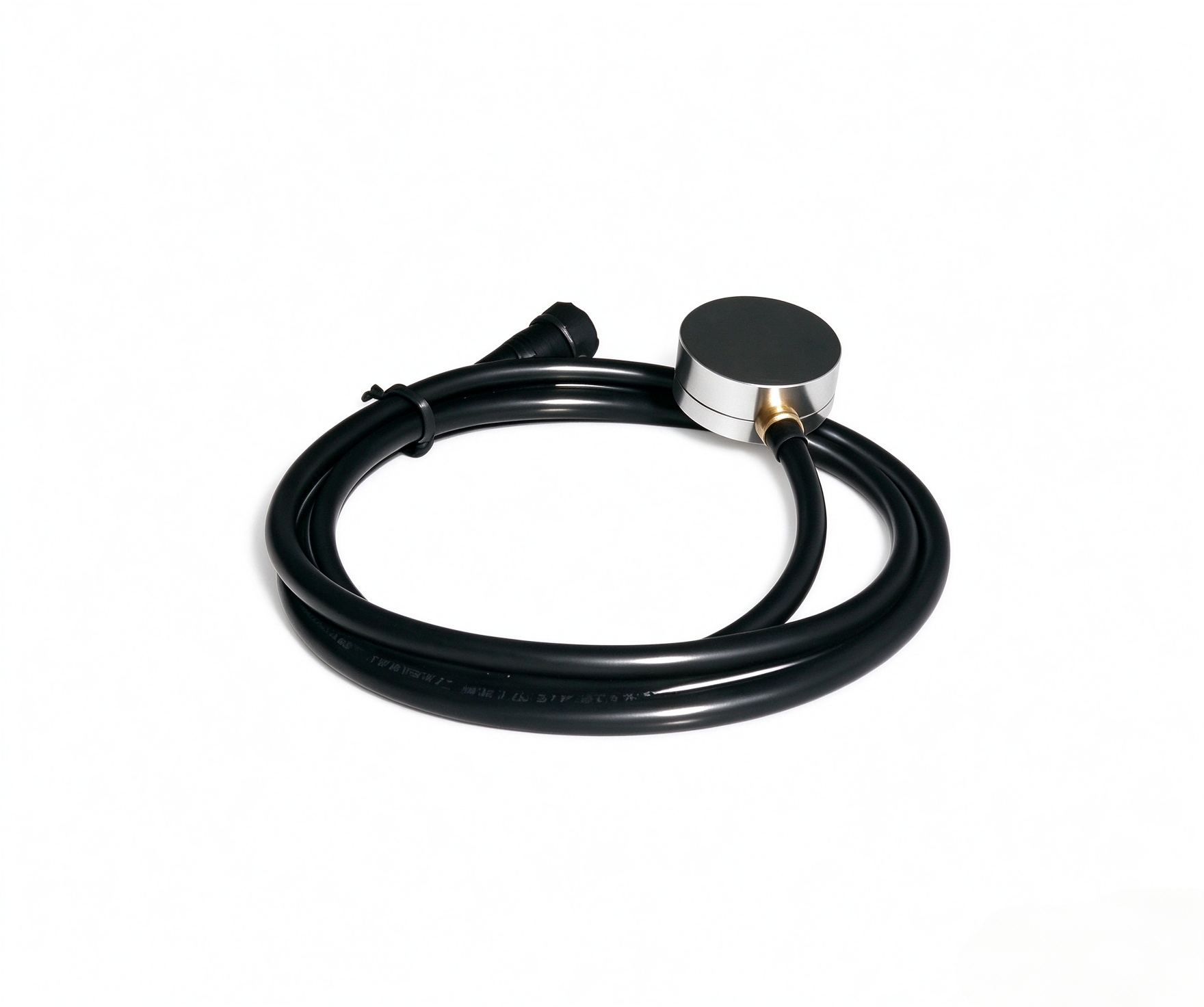
Ultrasonic Liquid Level Gauge
Installed on the outside of the tank bottom, it emits ultrasonic signals from the bottom, which are reflected back when encountering the oil surface. The liquid level height is then calculated based on time and speed. Meanwhile, combined with our company's unique digital signal processing technology, it overcomes the influence of the container wall, thus achieving high-precision non-contact measurement of the oil surface. No drilling is required on the tank, and the tank structure remains undamaged.
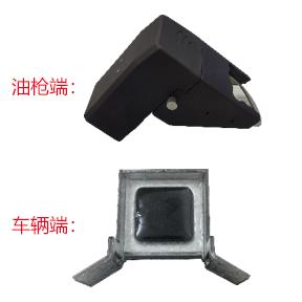
Vehicle Card Identification Device
Fuel card identification devices are installed respectively at the vehicle's fuel tank opening and the fuel dispenser's nozzle, enabling the fuel dispenser to refuel only designated vehicles. Meanwhile, refueling data is uploaded to the data center in real-time.
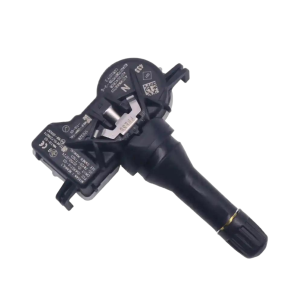
Tire Pressure Sensor
Installed in car tires, it communicates with the intelligent central control (Z10) via near-field communication, senses tire pressure in real-time, and promptly sends an alarm to the background upon detecting abnormal signals.
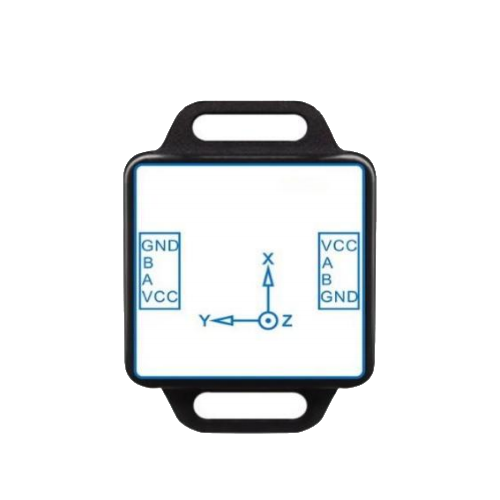
Vibration Sensor
Installed on equipment with severe vibration such as motors and pumps, it achieves comprehensive measurement of vibration and impact by outputting displacement, velocity, angle and frequency of three-axis vibration. On this basis, it establishes a model by combining the vibration data of the measured equipment (motors, pumps) with fuel consumption, and can simultaneously determine whether the measured equipment is damaged.
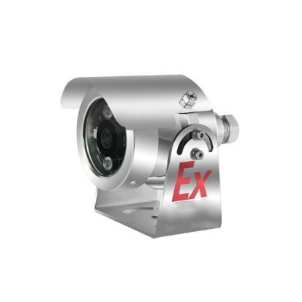
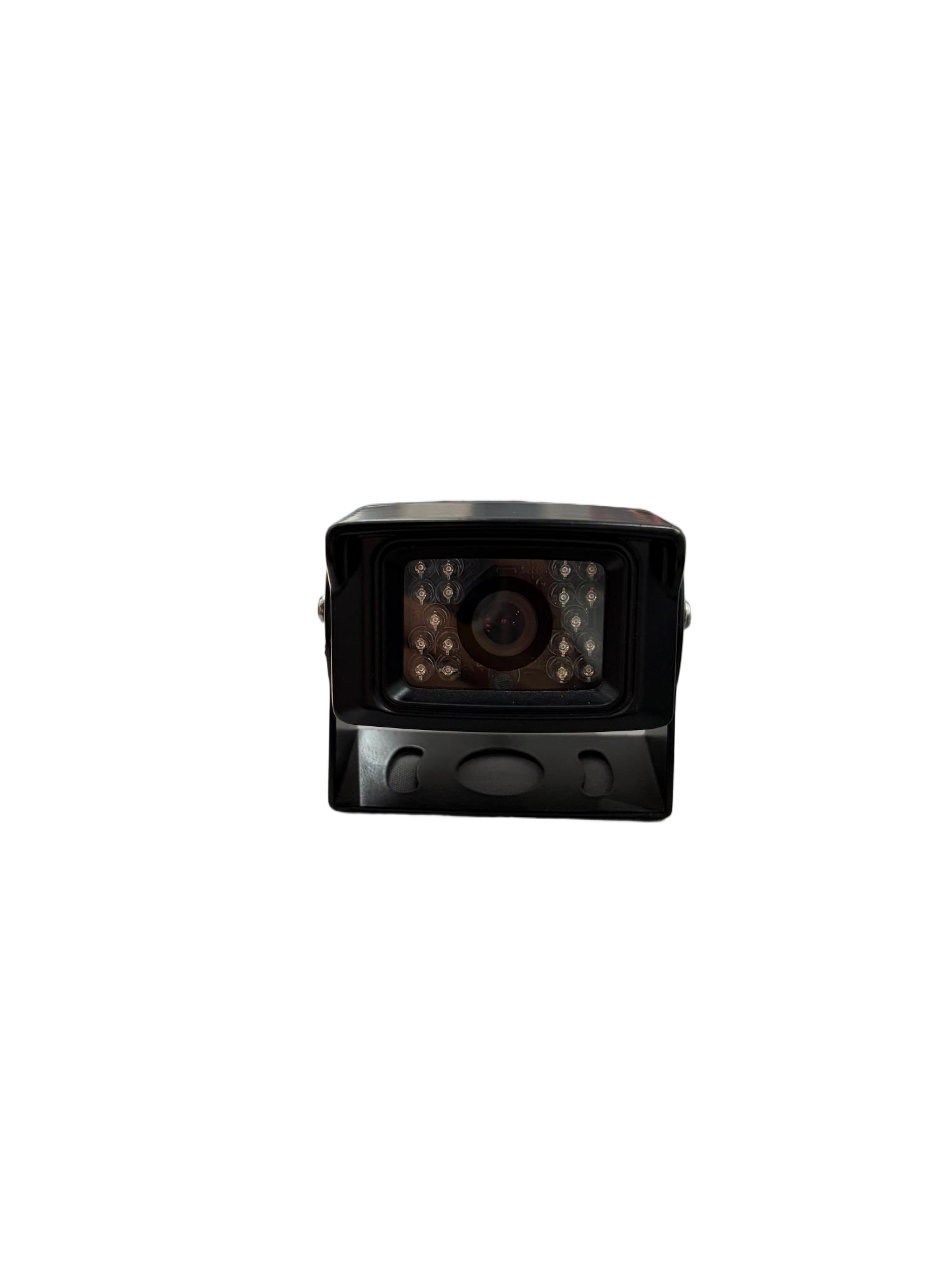
Explosion-Proof Camera
Divided into explosion-proof cameras and ordinary cameras, they are flexibly installed inside the cab (road ahead, driver), on the top of the vehicle (oil loading port), and on the left and right sides of the vehicle (oil unloading port), working in coordination with the video host via wired connection.
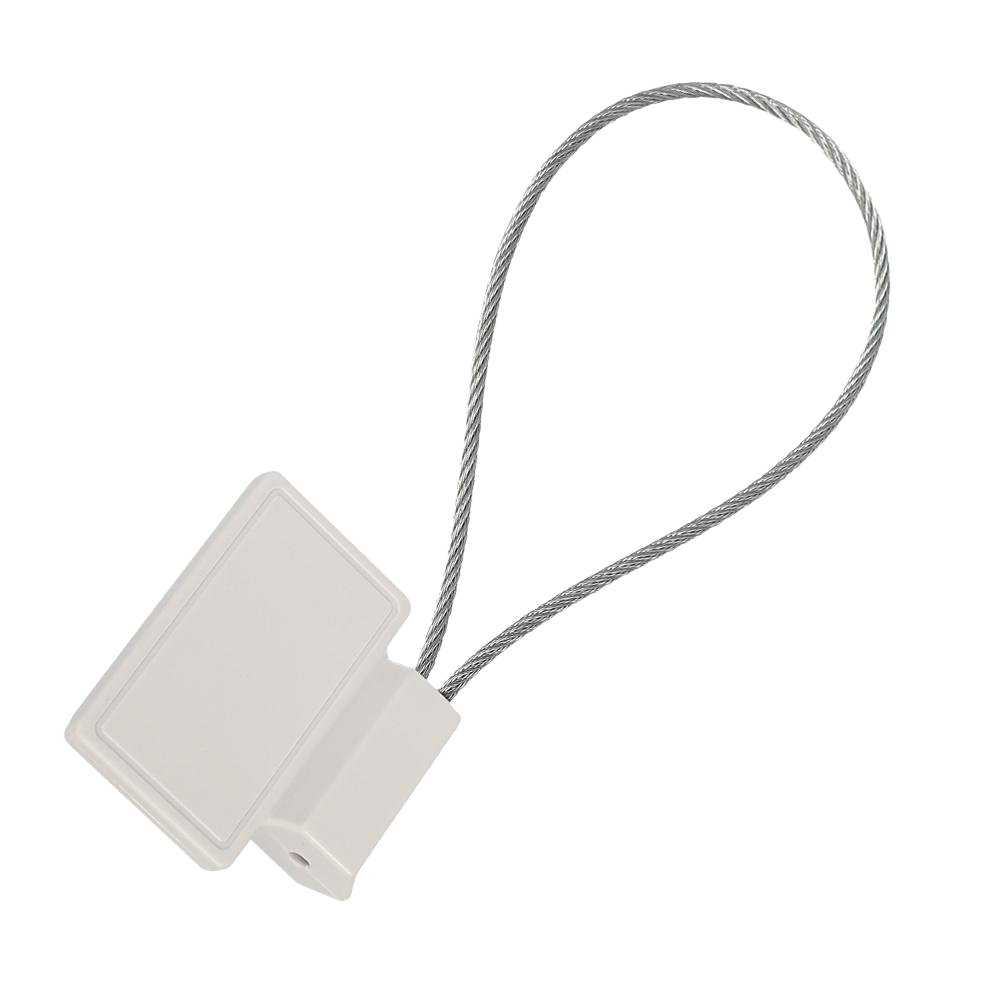
RFID Wire Seal
RFID Wire Seal is mounted on tank valves, oil drums and small transport containers. It adopts flexible steel wire with built-in RFID tag, easy for fast locking and remote identification in batch cargo inspection.
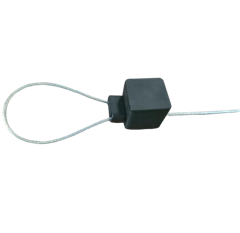
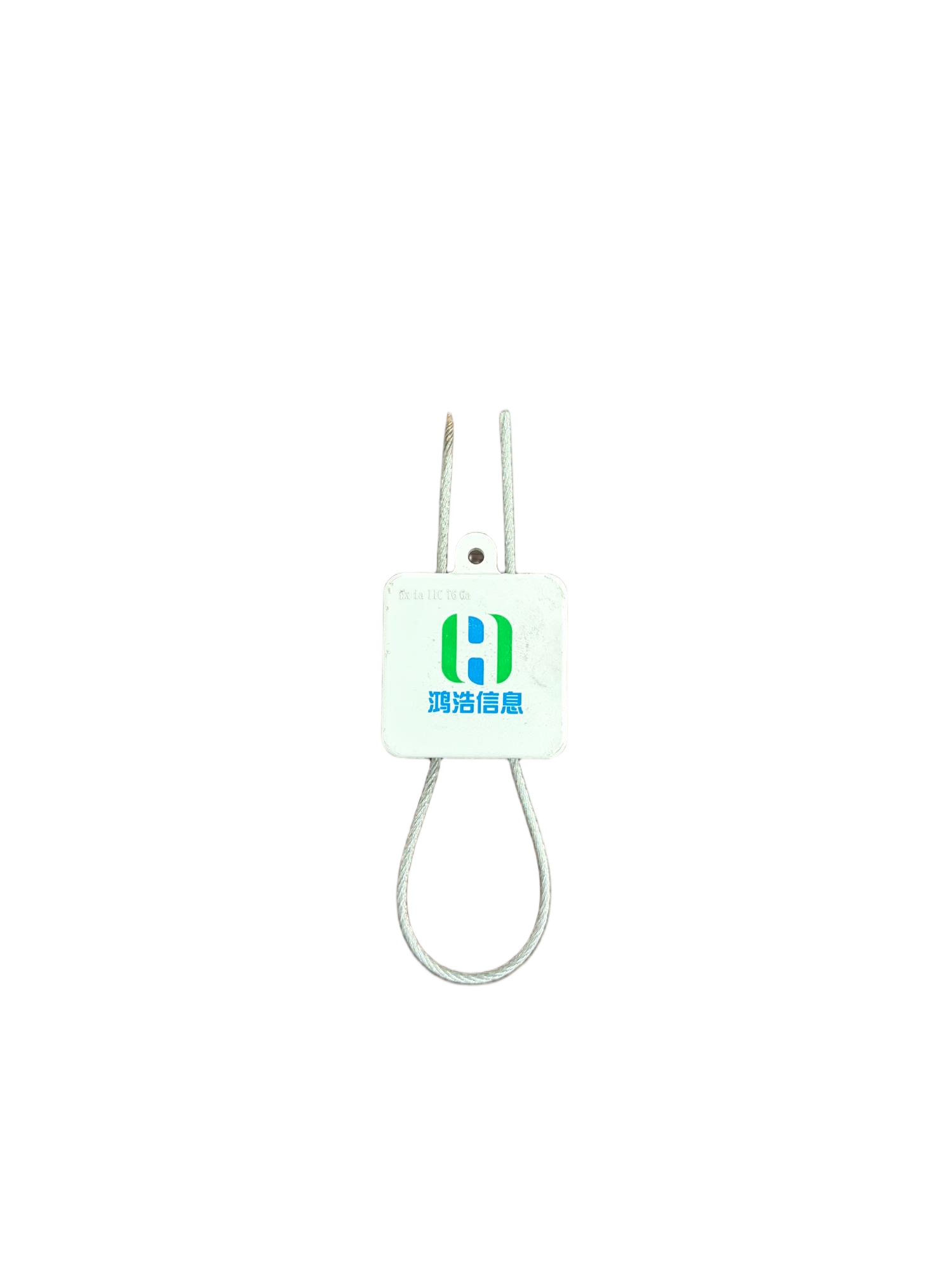
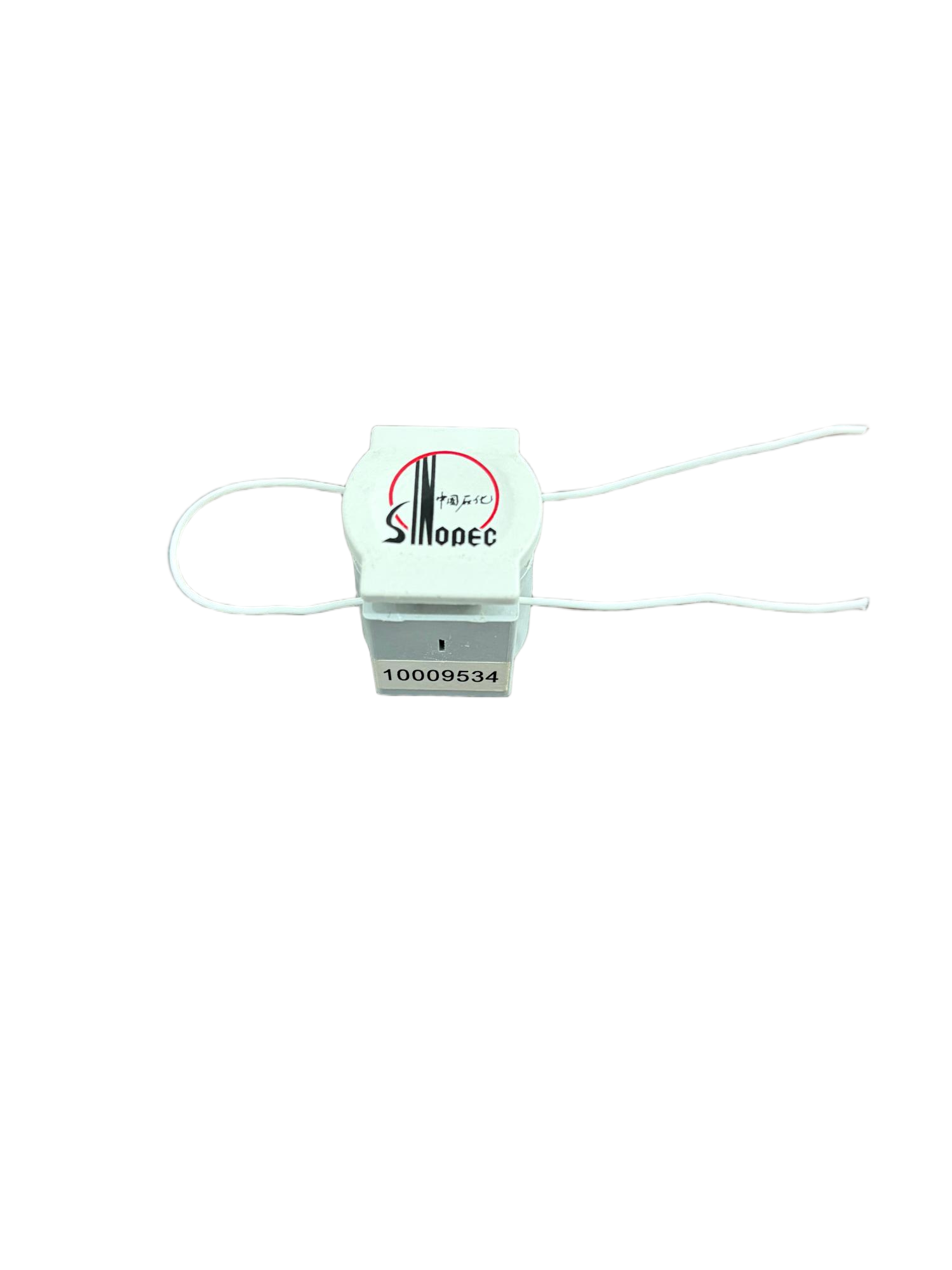
IOT Lead Seal (Q300)
The IOT Seal Strip (Q300) is an intrinsically safe explosion-proof device. It is mainly installed on parts where steel wire physical lead seals need to be applied. The two-code integration design of the lead seal wire ensures its uniqueness. It is used in conjunction with the intelligent terminal (Z20) via near-field communication, and alerts immediately once the seal is broken. It is mainly used to replace traditional steel wire physical lead seals for intelligent management and control with extremely high anti-counterfeiting requirements. Installation locations: risk areas such as oil unloading side box doors, oil tank openings, and fuel dispenser doors.
IOT Lead Seal (Q200)
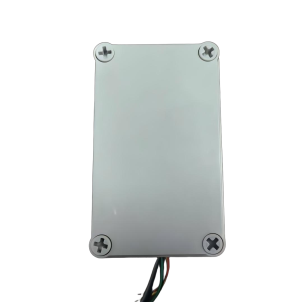
The IOT Seal Strip (Q200) is an intrinsically safe explosion-proof device. It is mainly installed on parts where steel wire physical lead seals need to be applied, and used in conjunction with the intelligent terminal (Z20) via near-field communication. Once the seal is broken, it alerts immediately. It is mainly used to replace traditional steel wire physical lead seals for intelligent management and control. Installation locations: risk areas such as breather valves on manhole covers, various flange connections, and bottom valve interfaces.
Alcohol Detector
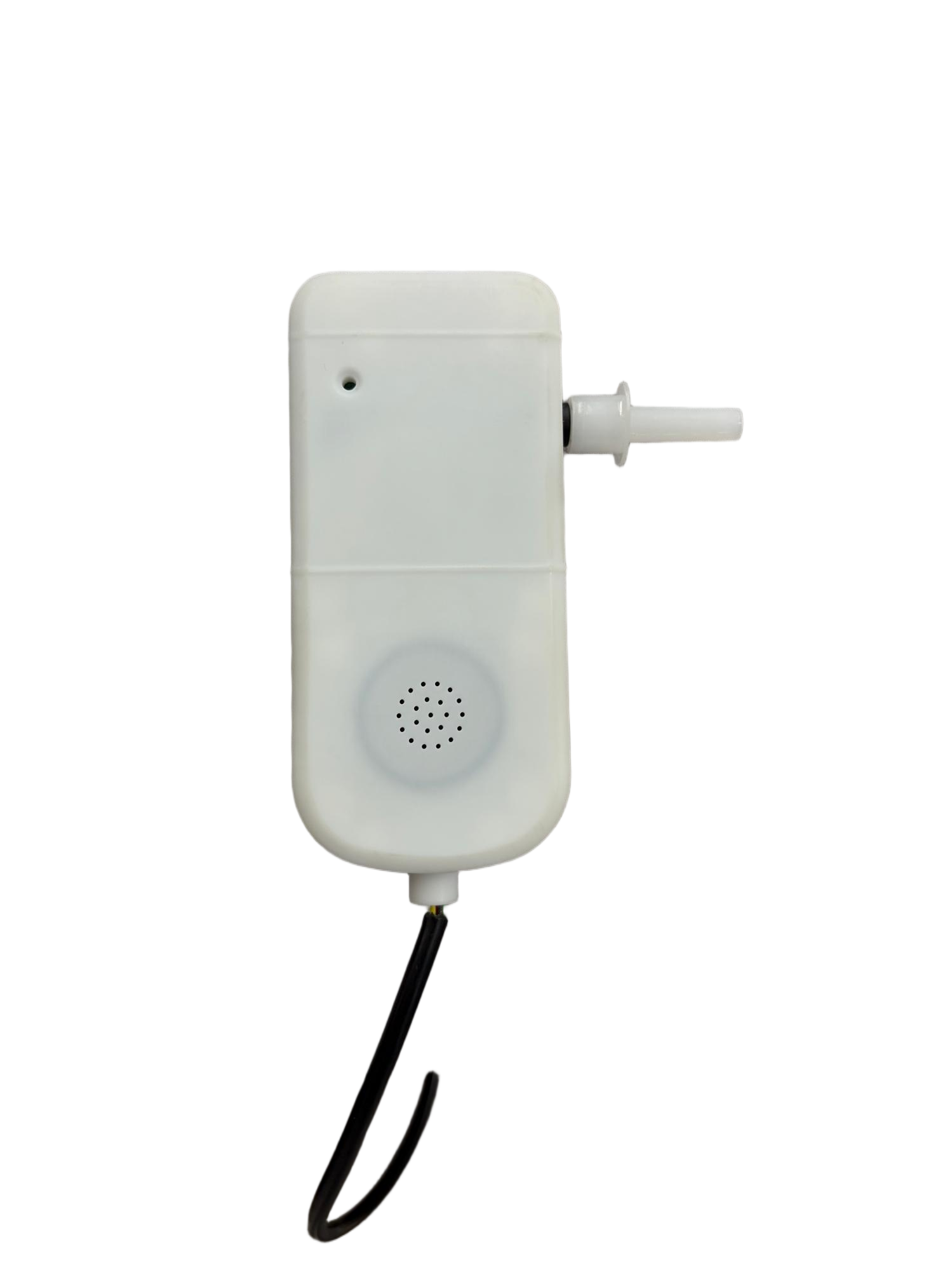
Installed in the cab and used in conjunction with the vehicle controller, it enables drivers to take a breath alcohol test before starting work. If drinking is detected, the vehicle cannot be started, thus achieving the goal of safe driving.
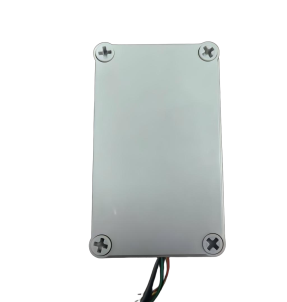
Automobile Engine Controller
Installed in the engine ignition circuit, it can precisely control the ignition system through a series of strategies. For example: the vehicle cannot be ignited if it is not within the designated range; the vehicle cannot be ignited if the driver has consumed alcohol; the vehicle cannot be ignited after being remotely locked, etc.
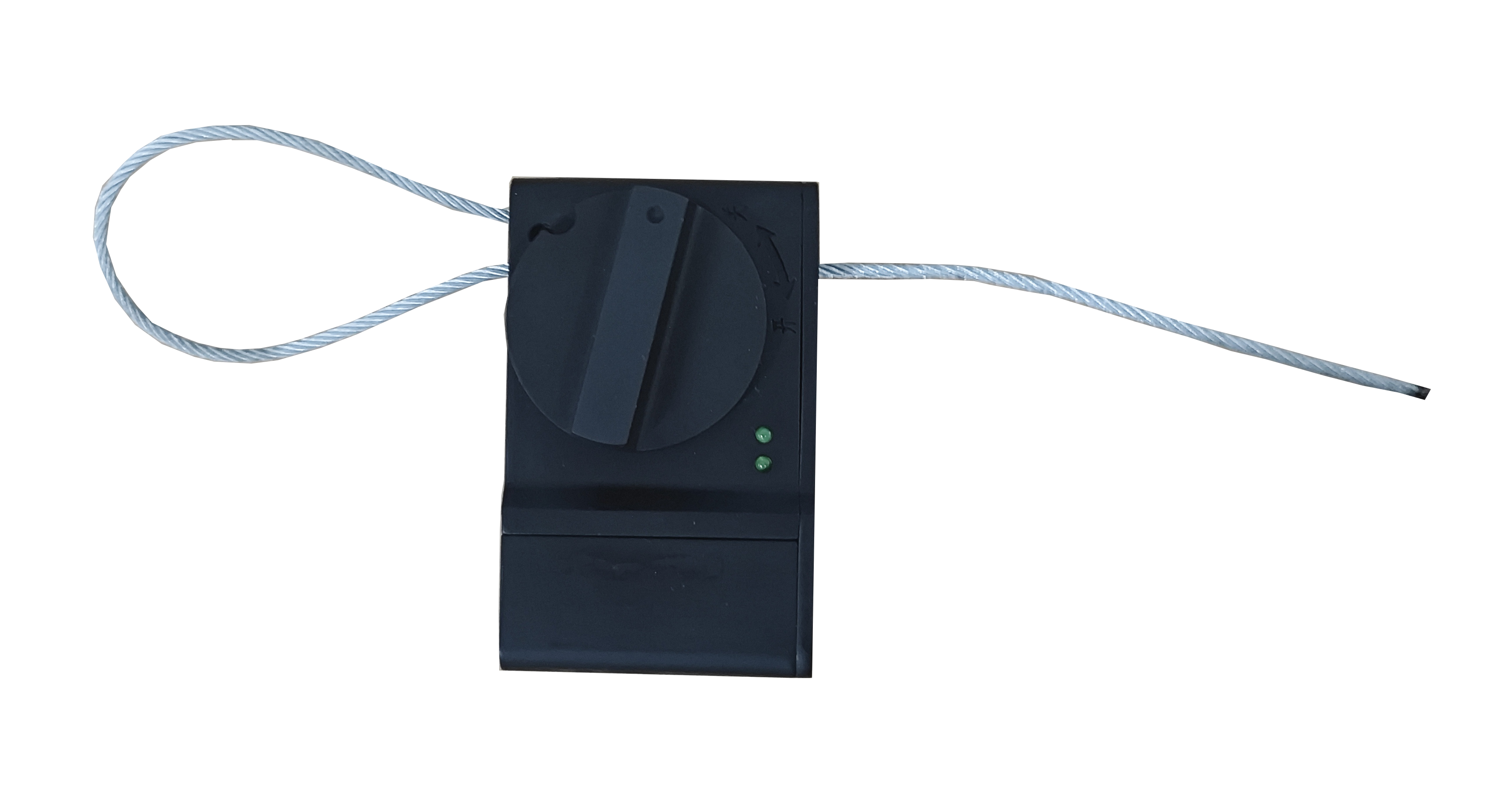
Gen1 Flexible Smart Lock
This Flexible Smart Lock is installed on the side box of tank trucks, tank openings and oil unloading ports of gas stations. It is an IoT electronic lock for cargo security supervision, anti-tampering and traceability. This keyless lock supports GPS positioning, Bluetooth and LoRa communication, can be controlled remotely via mobile phone or SMS, and stores up to 10,000 data records offline.
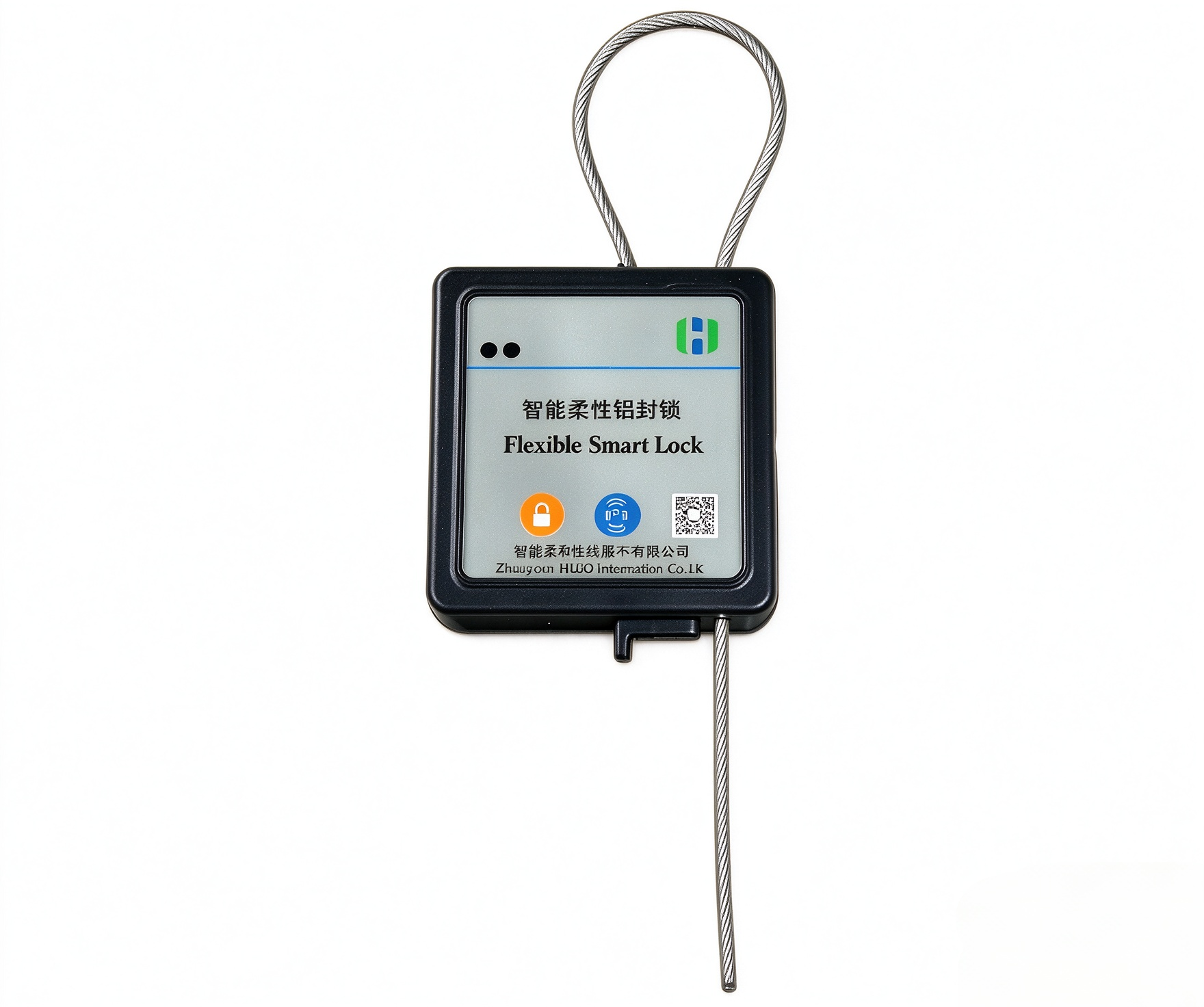
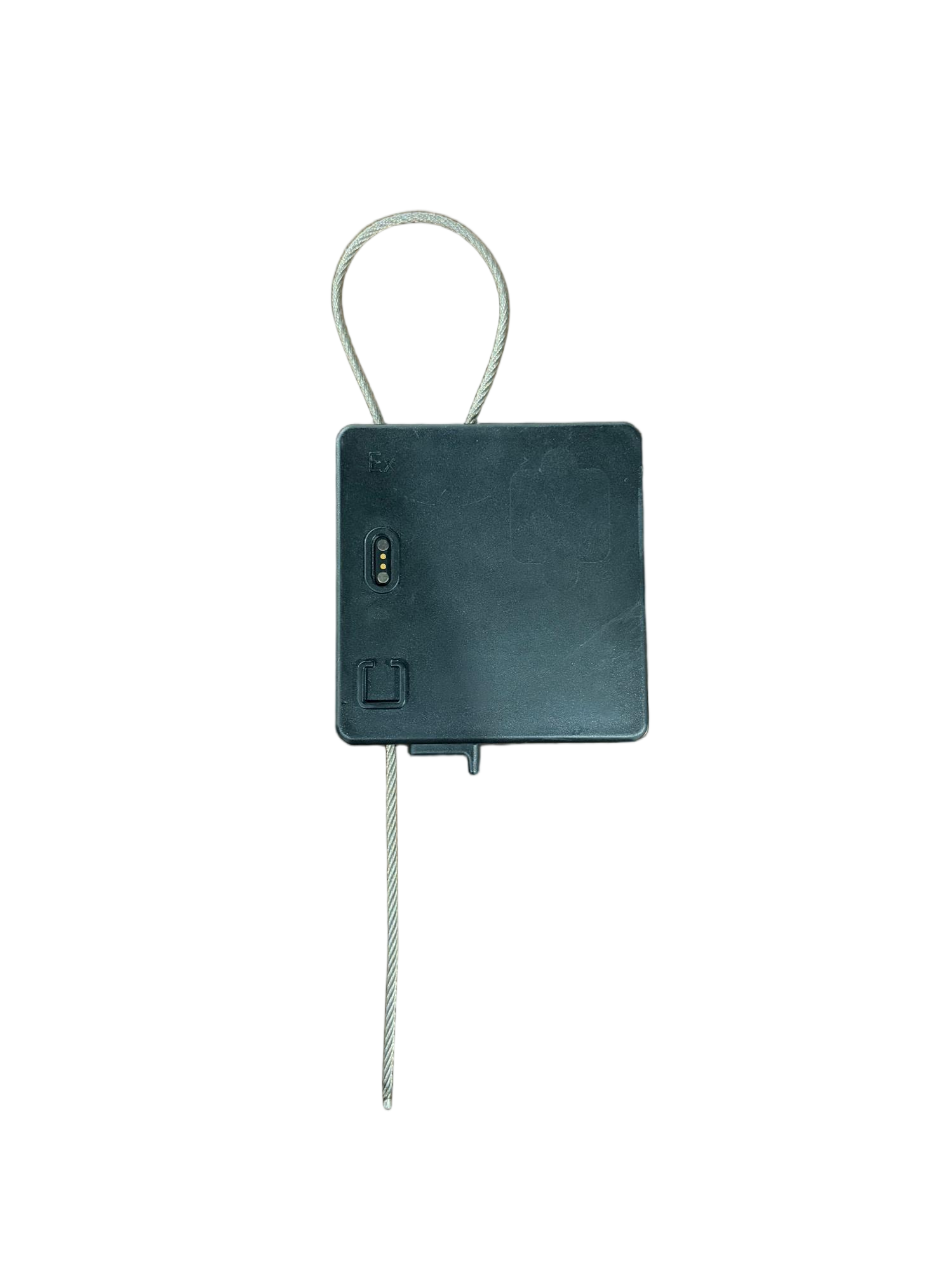
Smart Flexible Lock(R1/R2)
Mainly installed in areas such as tank truck side boxes, oil tank openings, and gas station oil unloading ports, it is an electronic lock based on technologies like the Internet of Things (IoT) and satellite positioning, used for safety supervision of cargo transportation as well as anti-counterfeiting and traceability. This lock is a keyless one, supporting GPS/Beidou positioning and 4G/Bluetooth/LoRa communication. It can be controlled via remote, mobile phone, or SMS, and can store 60,000 data records offline.
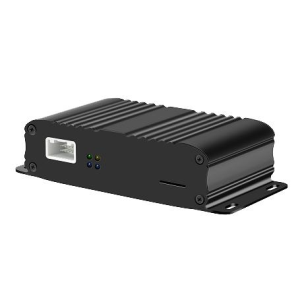
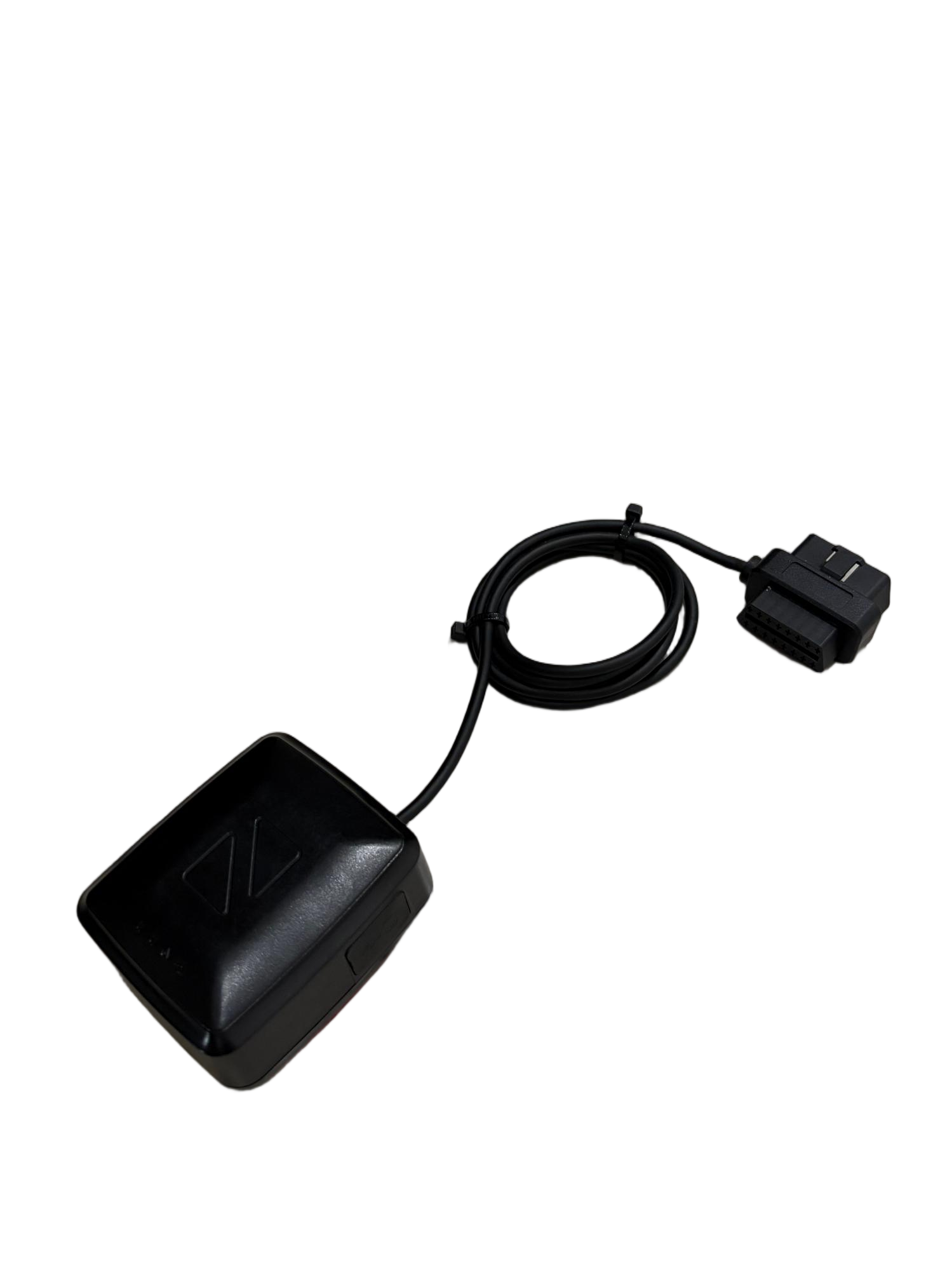
TBOX
Installed at the vehicle's OBD interface, it integrates an advanced CAT1 communication module and 1 channel of CAN for vehicle communication. It can upload vehicle operating status, engine data, vehicle fuel consumption data, driver operation data, etc., to the background system via a wireless module, realizing remote fleet management and reducing vehicle fuel consumption by standardizing driving behavior.
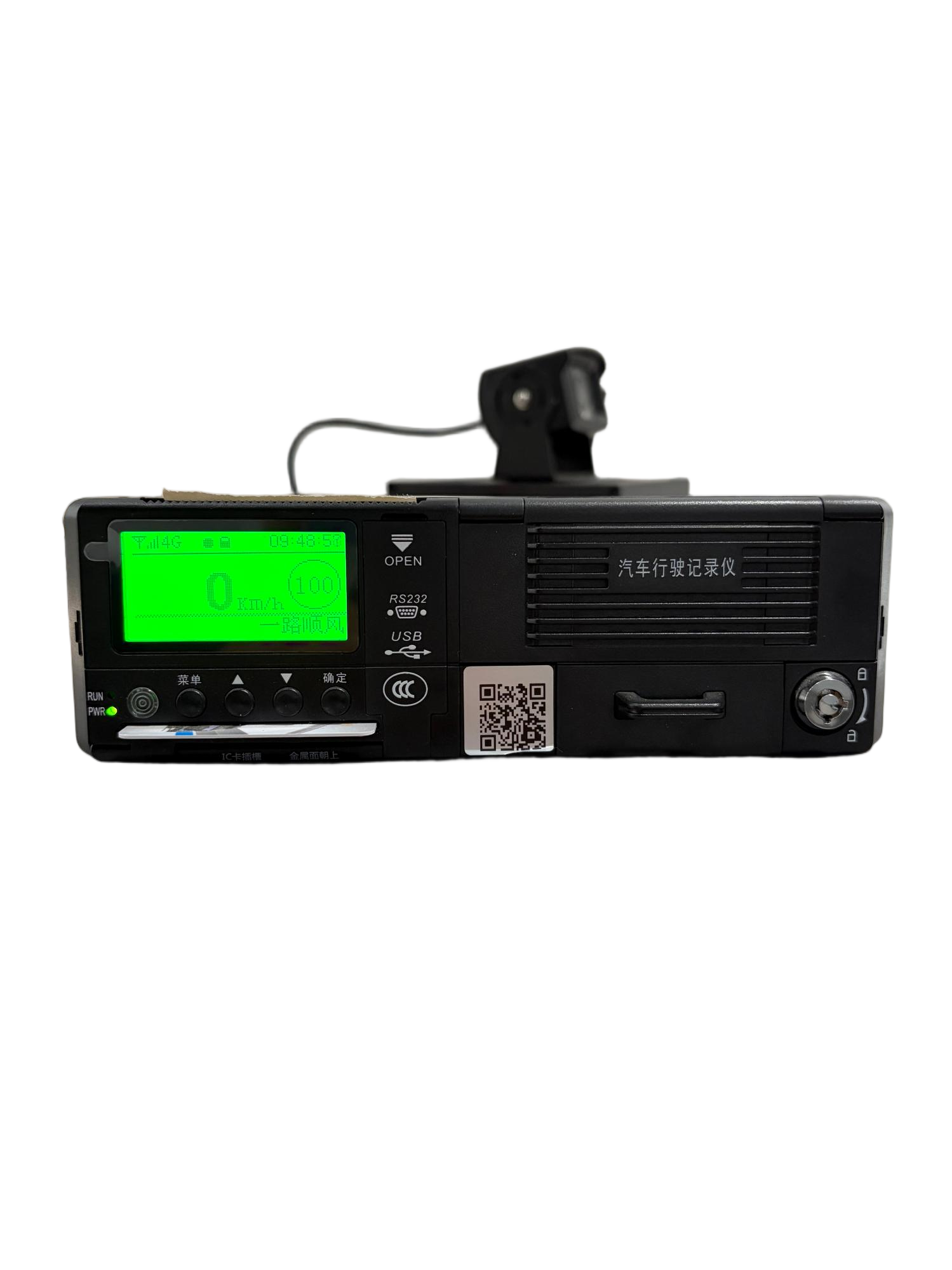
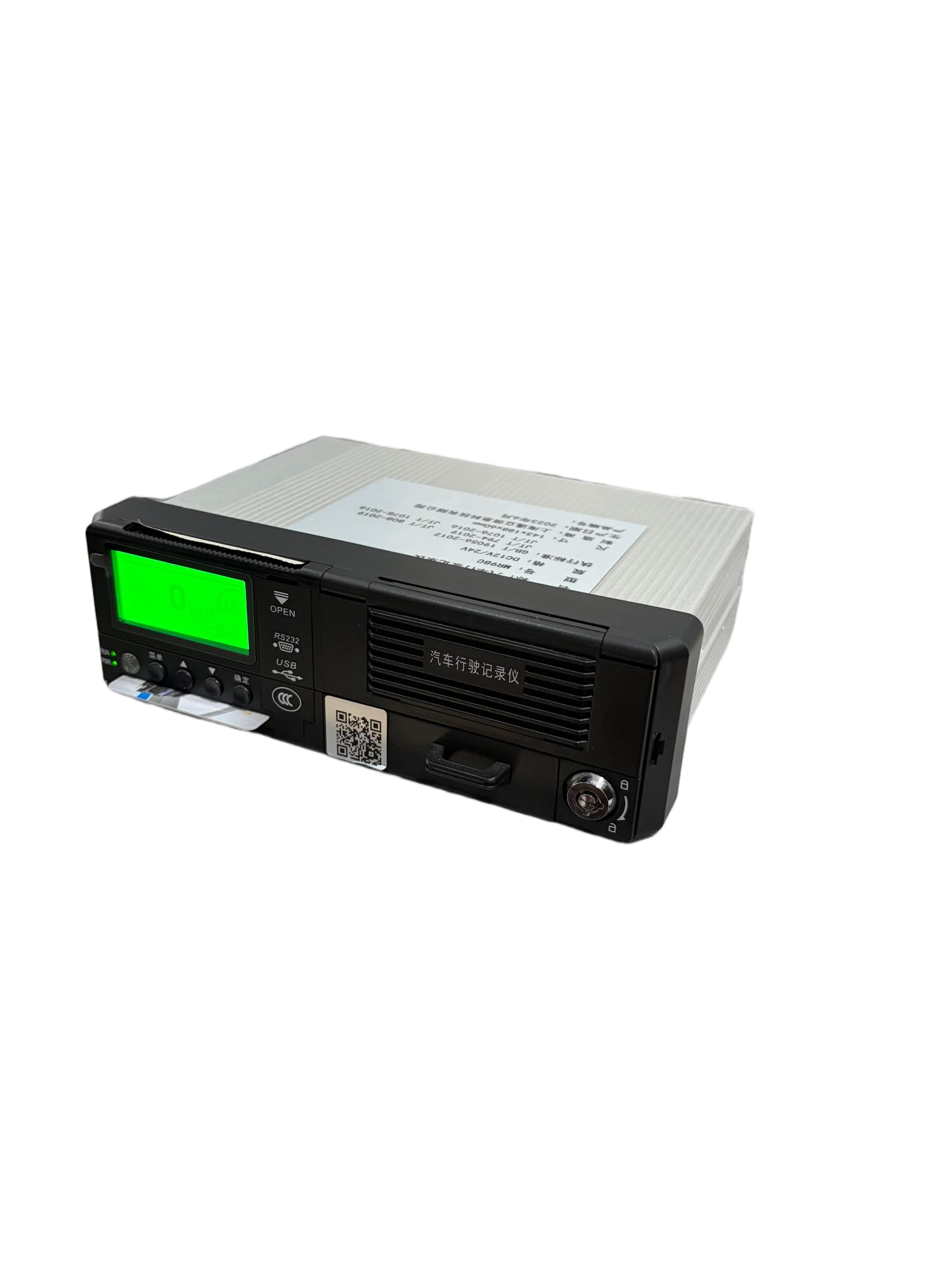
Video Host
Installed in the cab, the main unit integrates 4G, supports connection of multiple analog/digital cameras, features an all-metal structure, and allows storage expansion via hard disk and SD card, with high integration and strong reliability. Collected video data can be accessed into the intelligent lead seal system through the background, providing key image support for intelligent early warning and accident traceability.
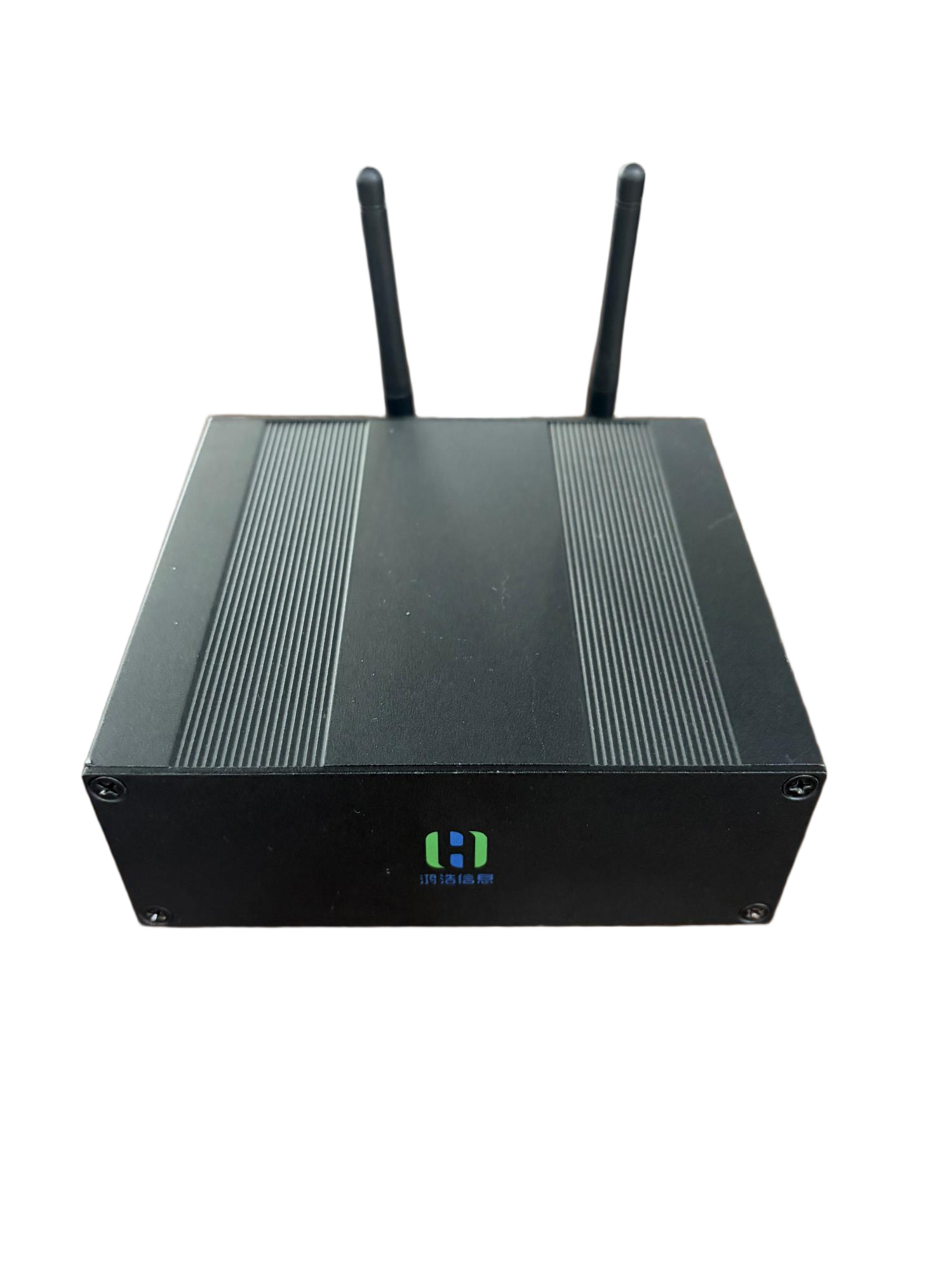
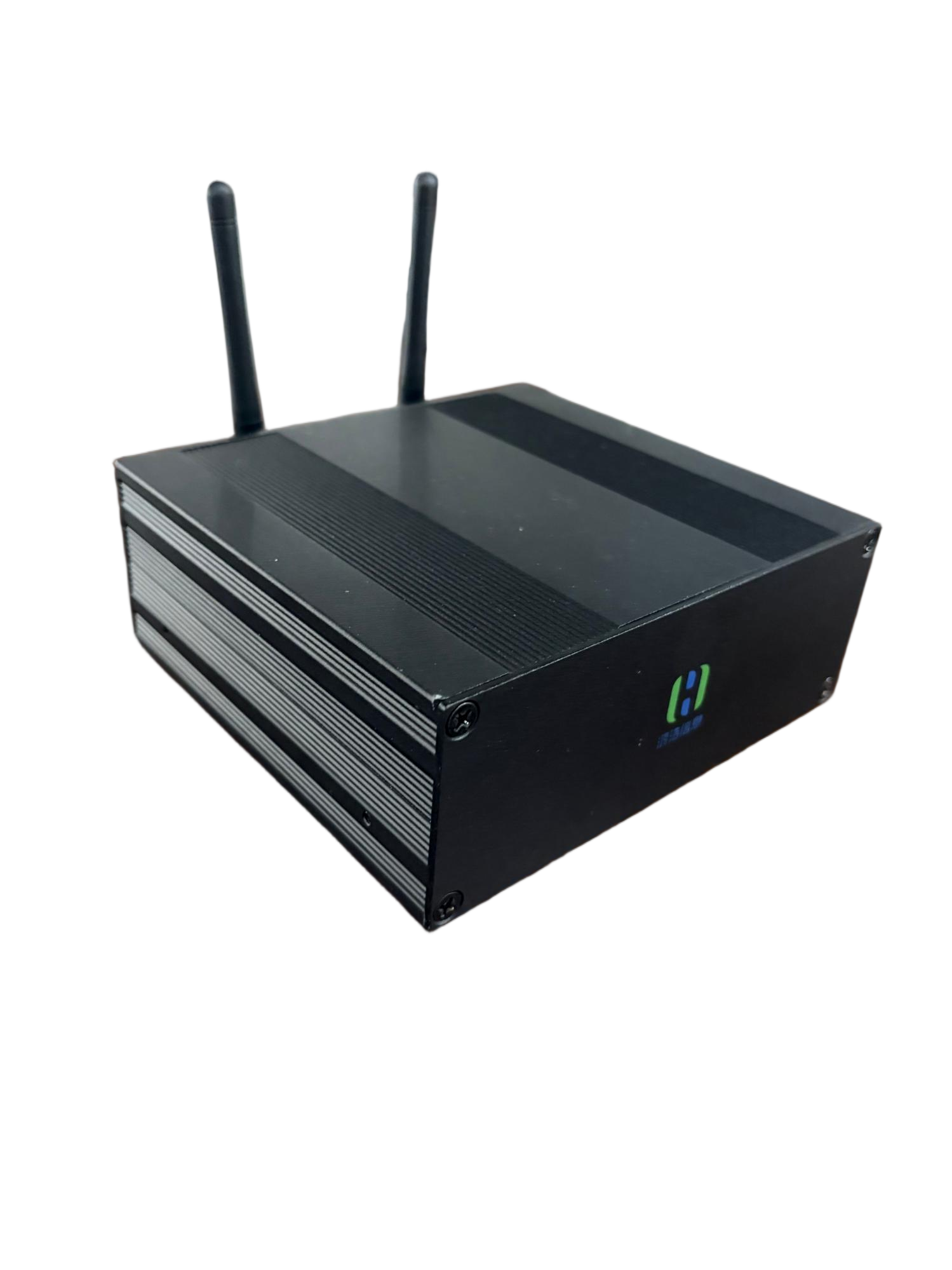
Receiving Terminal(Z20)
It is an edge computing device supporting the Q100/Q200/Q300 series products, and can be installed in gas station buildings or vehicle cabs. It collects the working status of Q100/Q200/Q300 in real-time via wireless technology, and realizes data interaction with the management system platform through 5G/4G networks. This device can support the management of up to 256 IoT terminals (i.e., Q100/Q200/Q300).

First class quality service and professional after-sales team.
In order to provide you the suitable machine , pls offer below message for us
Get in Touch
We respect your confidentiality and all information are protected.